On Privilege
by Geerat J. Vermeij
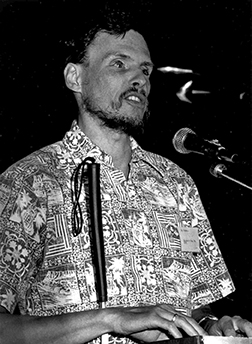 From the Editor: Geerat J. Vermeij is a distinguished professor in the Department of Earth and Planetary Sciences at the University of California, Davis. He can be reached at [email protected]. When he writes, I always find what he has to say of interest:
Every day I wake up knowing how fortunate I am. I have a loving and interesting spouse, a deeply fulfilling career, access to excellent food, a house that is fully paid off, a successful daughter and her family, a supportive brother in the Netherlands, and so much more. In short, I am privileged, so much so that the word "privileged" appears in the title of one of my books.
But one way in which I am not privileged in the traditional sense is that I am totally blind. I belong to a small minority that has historically been deemed subnormal, with the result that society has often withheld opportunities that other members of the community have come to expect. How should we respond to the age-old subordinate status of the blind in society? We can't simply ignore it and accept the status quo. Should we instead look in every corner for more evidence of denied privilege?
In his unfortunate essay entitled “Sighted Privilege: Recognition of the Problem is the First Step Toward Resolution,” published in the February 2020 Braille Monitor, Justin Salisbury embraces the latter option. He is engaged in a diligent search for confirmation of pervasive social privilege enjoyed by the sighted majority at the expense of the blind minority. The evidence is not hard to come by; if you look for it, you will find it. But then what? Without proposing a remedy, Salisbury's essay offers only a recipe for stoking resentment, affirming continued victimhood, and sowing mistrust.
To my mind, this approach is ultimately destructive and unproductive. As the National Federation of the Blind has demonstrated for eight decades, the blind have individual and collective agency, the ability and the will to change our circumstances by educating the public, changing laws, and setting good examples. With reasoned confidence in our abilities and with productive engagement in the wider world of the sighted majority, we can shake off the insecurity that feeds resentment and free ourselves of victimhood. We do this not by emphasizing differences from the majority but by cultivating affirmative attitudes toward others. A chip on the shoulder is a heavy burden that does nobody any good. Let's make the most of what we have and seek to improve our collective position by making the fruits of privilege more widely available.
Media Share
