


by Ruth Mencl, MN, RN, CDE
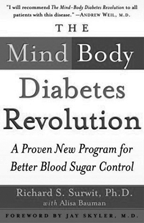
THE MIND-BODY DIABETES REVOLUTION
by Richard Surwit, PhD
(Avalon, 2005)
 Richard
Surwit writes a unique book about controlling blood sugars through the management
of stress, depression and anger. The author gives patients an opportunity to
take matters into their own hands, identifying and dealing with their own emotional
issues. He presents his theories as an adjunct to other therapies.
Richard
Surwit writes a unique book about controlling blood sugars through the management
of stress, depression and anger. The author gives patients an opportunity to
take matters into their own hands, identifying and dealing with their own emotional
issues. He presents his theories as an adjunct to other therapies.
Surwit provides 3 screening questionnaires, on stress, hostility, and depression that allow the patient to self-screen. He also has an “appetite awareness scale” that could be very helpful in increasing patient awareness of their eating behaviors.
You can record yourself reading the exercises, or buy a CD to assist with the program. His four-part process for self-cognitive behavior therapy includes a six-week program that allows the reader to implement therapy himself. Even if you don’t use the therapies, the discussion of the emotional aspects of diabetes is enlightening and beneficial.
The patient struggling with emotional difficulties and their effect on blood sugars may well benefit from this self-help approach. Especially with type 1 diabetes, blood sugar volatility can be frustrating. This book offers an opportunity to try out psychological therapies to reduce both everyday stress and the stresses of a chronic condition.
DIABETIC COOKBOOK FOR DUMMIES (Edition 2)
by Alan Rubin, et. al
(reviewed by Barbara Simpson LD, RD, CDE)
 The
title of this book is catchy, meant for those who feel they need help with cooking
and planning their meals—yet I wonder why we like to see ourselves as
“dummies.” It’s true; such a title gets us interested: will
this book shed some light on the subject?
The
title of this book is catchy, meant for those who feel they need help with cooking
and planning their meals—yet I wonder why we like to see ourselves as
“dummies.” It’s true; such a title gets us interested: will
this book shed some light on the subject?
I think it did and then some. I asked several of my clients with diabetes to take a look at the book. Some automatically assumed it wasn’t for them; others were curious enough to open it up and look through it. Those who took the time to look really liked the material. I guess you can’t judge a book by its cover.
The cookbook not only provides healthy recipes; it actually goes into great detail explaining why and how someone with diabetes should live and eat. “Why should we eat whole grains and how do you cook barley and bulgur so that it actually tastes good”? It is nice to see recipes for foods I am encouraging my patients to eat.
This lovely cookbook helps fill in the gaps in many ways. This is the how to do what I am told cookbook! The chapters are small and give quick, simple tips for the beginner cook as well as for changing eating habits, grocery shopping, balancing meals, preparing ethnic foods, restaurant eating and growing your own greens.
“Snacking” should be individualized by a diabetes educator, as adding carbohydrate at the wrong time of day may produce higher blood sugar levels. That issue is not clearly explained, and might be confusing to someone who does not have a meal plan.
The Diabetic Cookbook For Dummies encourages the reader to receive training from a certified diabetes educator (CDE) for specific recommendations regarding meal plan and medications. I like that part; it reinforces the need for individualized care plans.
This is a great resource for people with diabetes—but it does not replace the essential need for individualized care and direction. I will put it on our list of resource books for our patients. Thank you, Dr. Rubin, for updating an already good book—and making it an excellent one.