Update on the National Blindness Professional Certification Board
by Edward Bell
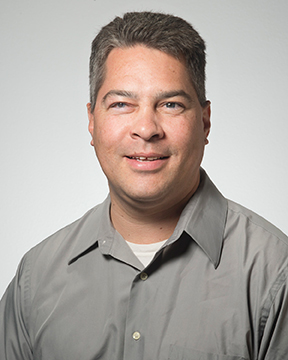 From the Editor: Dr. Edward Bell, or Eddie as many of us have known him, is the director of our certification program for professionals working with and for blind people. He has been the bridge between the philosophy of a people’s movement and the hallowed halls of academia where skills and attitudes are presented to minds who will share them with the people they serve. Here is Dr. Bell’s update on a program that means so much to people wanting to work in our field and to those of us who are the beneficiaries of their caring, innovation, and talent:
The National Blindness Professional Certification Board (NBPCB) was incorporated in June of 2001 for the purpose of certifying individuals who work with adults and children who are blind or low vision in education and rehabilitation. The certification board provides certification for professionals trained in the use of Structured Discovery methods and principles. This training is grounded in a consumer-based perspective that emphasizes that people with significant sight loss are normal people who can learn to use alternative skills and techniques to function competently and be productive members of their communities.
At present, NBPCB oversees three certifications which are based on Structured Discovery Training—the National Orientation and Mobility Certification (NOMC), National Certification in Rehabilitation Teaching for the Blind (NCRTB), and the National Certification in Access Technology for the Blind (NCATB). Additionally, the board oversees one credential that measures Braille proficiency—the National Certification in Unified English Braille (NCUEB). NBPCB also credentials community-based rehabilitation-training programs which conduct immersion and training of Structured Discovery professionals and provide adjustment training for those experiencing significant sight loss—Certified Structured Discovery Training Centers (CSDTC).
The NOMC Certification is a five-year renewable certification and is the only certification which can attest to an individual’s having met rigorous standards in the area of orientation and mobility teaching for the blind using Structured Discovery Cane Travel™ methods and principles. The NCRTB Certification is a five-year renewable certification and is the only certification which can attest to an individual’s having met rigorous standards in the area of rehabilitation teaching for the blind using Structured Discovery methods and principles.
The NCATB Certification is a three-year renewable certification and is the only certification which can attest to an individual's having met rigorous standards in the area of teaching access and mainstream technology using Structured Discovery methods and principles.
The NCUEB is a five-year renewable certification that is specifically intended for professionals working with blind children or adults. This certification is not Structured Discovery-based, but attests only to the skill and knowledge in the use of Braille. Actual teaching ability is not assessed.
The Certified Structured Discovery Training Center (CSDTC) certification is a three-year renewal accreditation. Facilities holding this designation have demonstrated their use of Structured Discovery methods and principles and are approved to provide immersion, apprenticeship, and internship opportunities for individuals training to become Structured Discovery Professionals.
The National Blindness Professional Certification Board (NBPCB) also maintains a Code of Conduct. The Code of Conduct is a public statement of the common set of values and principles used to promote and maintain high standards of behavior among those specialists in work with the blind who elect and are accepted to become Structured Discovery (SD) Professionals or those training facilities that are certified through this Board's certification processes.
During 2021, we made important changes to our procedures and policies that we feel better address the expectations we have for those whom we certify. Specifically, we want to be sure that proper Structured Discovery principles are practiced throughout the training experience. In addition, we made significant changes to our Code of Conduct, and we believe that it now more fully embodies our expectations for the professional and personal behavior of those who have successfully earned our Structured Discovery certifications. The Code of Conduct, our grievance process, and verification of SD professionals can be found by visiting our website, nbpcb.org.
If you, or someone you know feels that you may have been harmed by a professional who holds Structured Discovery certification through the NBPCB, please visit our web page and look under the link for the Code of Conduct to learn about our grievance process and how to file a complaint. If you are not certain whether an individual is currently certified through our organization, you can verify the certification status of any individual on this web page as well by visiting the link called “verify professional certification” and typing in the last name of any person to check their current status with our organization.
If you represent an agency, school, or other employer who hires Structured Discovery Professionals, we would like to encourage you to put a link to our Code of Conduct on your web page or other prominent announcement lists. If you have any general questions about our organization, you may visit www.nbpcb.org or contact us at PO Box 2373, Ruston, LA 71273. You may call us at 318-299-7340 or write to us through email at [email protected].
While NBPCB has always maintained a good working relationship with the National Federation of the Blind, stakeholders should understand that the NFB is an entirely separate organization and operates independently from our organization. We recognize that our shared values and commitment to bettering the lives of blind individuals make us complementary allies, but the NFB is not responsible for any aspect of our certification or any decisions that we make as a certifying body, nor do we hold authority over any NFB member, other than those specifically certified through our organization.
We invite members of the community to become familiar with our organization and the programs we offer. If you have suggestions on how we can improve our services, increase transparency of our policies and procedures, or improve our communication with our stakeholders, we would be glad to hear from you. Please call, email, or write with any comments or suggestions that you have for improving our services to ensure the highest quality of professionals who work with individuals who are blind or low vision.