Empowering the Blind Diabetic Community: Insights from the Diabetes Action Network Seminar
by Debbie Wunder
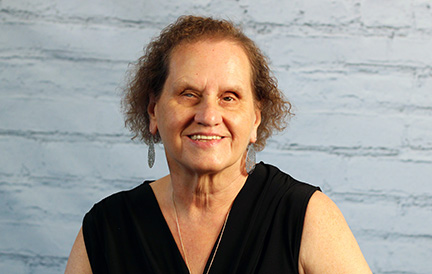 From the Editor: Writing an objective headnote about this seminar is probably impossible for me to do. The president of the division is my wife, I was on the seminar agenda, and I suffered with her as she worried about whether or not she and the rest of us on the Board of Directors could actually pull this off. With fundraising on the part of the division and a grant from our national treasury authorized by President Riccobono, the seminar is now complete, having started with a dream, selling it to the board of the Diabetes Action Network, and then sweating over whether to work on an agenda to draw the people or drawing the people in order to draw good participation from speakers. Somehow the board managed to pull it off, and here is what Debbie has to say about it:
The National Federation of the Blind's Diabetes Action Network recently convened a transformative seminar, "Knowledge is Sweet," at the Airport Hilton in St. Louis, Missouri. Held over April 26 and 27, 2024, this event attracted participants from across the nation, spanning from Maryland and Florida in the East to California in the West. Amidst the vibrant discussions and shared experiences, attendees explored the multifaceted landscape of diabetes management through the lens of blindness and low vision.
One of the seminar's highlights was the insightful presentation by acclaimed author and journalist, Gary Taubes, who introduced attendees to groundbreaking perspectives on diabetes in his latest book, Rethinking Diabetes. Dr. M.J. Gardener, an esteemed doctor at the University of Missouri at Columbia heading the Diabetes and Endocrinology Clinic, provided invaluable medical insights, underscoring the importance of tailored approaches for individuals navigating both diabetes and blindness.
Throughout the seminar, blind diabetics generously shared their personal strategies for effectively managing diabetes. One item of particular interest was a presentation from two blind people using insulin pumps. These devices can be particularly helpful in slowing the progression of the disease since they aid in tightly regulating blood sugar. Unfortunately, the design of most pumps does not envision their being used by blind people, so in most cases there are no tones or clicks to aid in setting the device and monitoring what it is doing. Their firsthand accounts illuminated the unique challenges they face and the innovative solutions they've devised while at the same time noting the significant challenges that the effective use of these devices require.
Access to medication and healthcare resources emerged as a crucial theme, with discussions centering on the accessibility of pharmacy services. A representative from the company Accessible Pharmacy talked about its commitment to provide labeled medication by mail and offering a wide range of options as to how one wants them labeled. A significant program that the company has initiated involves education, both for people who have diabetes and those who still may avoid the disease through understanding the role of proper diet and exercise.
It has long been known that diabetes can affect many life activities, but what is less well-known is the relationship those activities can have in the onset and/or progression of the disease. The lack of sleep has been identified as a significant contributor in this regard, and Vanda Pharmaceuticals delivered an excellent presentation on the role that non-24 sleep-wake disorder plays in the lives of blind people and contributes to the progression and severity of the disease.
The psychological dimensions of living with diabetes were also explored, acknowledging the difficulty in developing the self-discipline required to adequately manage the disease. Slowing the progress of the disease will only occur if one adheres strictly to measuring blood sugar, taking medications as prescribed, changing the way one eats to avoid large fluctuations in blood sugar levels, exercising to lower blood sugar, and adopting an inquisitive attitude in following the state-of-the-art thinking about how to live with this disease. Participants engaged in candid conversations about coping mechanisms, resilience, and the importance of finding and giving support in diabetes management.
Advocacy took center stage as attendees deliberated on the Medical Device Nonvisual Accessibility Act. Passage of this act is crucial because it not only affects the quality of one’s life but will very likely have some effect on the length of it. As blind diabetics, we not only wish to meet our own health care needs but to be of support to family and friends who can benefit from our help if we are able to use the in-home medical devices that are now appearing on the market.
Nothing involving medicine and medical care can be discussed without involving money and the insurance that is so often required to deal with medical expenses. Marc Mantia explained the difference between Medicare and Medicare Advantage, making it clear that one should not assume the word “advantage” really is one in making the selection of an advantage plan over the regular Medicare coverage available.
One of the most moving presentations, made with modesty and not a tinge of arrogance, came from Tim McGue, a volunteer for the National Kidney Foundation and himself a kidney donor some nineteen years ago. Since diabetes affects the kidneys, Tim did his best to explain what the kidneys look like, their size, where they are located, things that can cause their deterioration, and options for preserving them. His offering was not from the perspective of a medical professional but from a layperson who has made it his objective to understand the kidney, the lifesaving that can occur through organ donation, and the appreciation of life that comes with knowing that there are significant ways to make a difference in the world.
Although everyone makes their own contribution when participating in a Federation event, we should note that all of our participants made significant sacrifices to participate. Gary Taubes reduced his speaking fee to a fraction of what he normally gets. Curtis Chong came to deliver his unique blend of wisdom on philosophy and technology at no charge and with no reimbursement. David De Notaris keynoted the event, helped us all achieve and maintain a positive mood throughout the seminar, and though he is in the business of motivational speaking, he took not a dime from the Federation. To the best of our knowledge, each participant paid their own airfare, hotel, and registration, a significant demonstration of their commitment both to get and give to the seminar. In a brief survey at the end, all of the participants said that having intimate contact with other blind diabetics made the seminar meaningful, and they would like to see it happen again if we can arrange it.
As we reflect on the rich tapestry of discussions and shared experiences at the "Knowledge is Sweet" seminar, it becomes evident that unity, advocacy, and knowledge-sharing are indispensable pillars in the journey towards empowered living with diabetes, regardless of one’s vision loss or blindness. Our biggest challenges will continue to be receiving education from medical professionals and in turn educating them about blindness as together we figure out how best to manage it and to make the tools for ensuring that the state-of-the-art technology is as usable to us as it is to people who are not blind.