
In gallery one, you will encounter authentic stories from blind people about their everyday lives. You might find out about the experiences of blind parents or the parents of blind children. You may learn about blind artists and scientists who use multimodal, non-visual approaches. You may hear from blind people about hobbies and sports they enjoy, and even try your hand at solving an accessible Rubik’s cube or playing a game with Braille playing cards. You'll discover simple techniques that blind people use in daily life, like placing a rubber band around a canned good to distinguish identical containers and identify what’s inside.
You’ll also come face to face with misconceptions about blindness – including your own. You will explore how stereotyped portrayals of blind characters in mainstream media and entertainment, like Mr. Magoo, perpetuate low expectations of blind people. You can listen as blind people share real experiences with stigma and discrimination, and how it impacts their lives.
Meet Erin, a blind world traveler and marathon runner.
"I wish people knew that being blind is not your whole life," says Erin. “Regardless of who I meet, it always seems to be the topic of conversation. I am not my blindness. I work, get aggravated at the rising cost of housing, travel to foreign countries, exercise, try recipes I found on Pinterest, and so much more that has nothing to do with the fact that I am blind.”
Visitors will gain a richer understanding of the everyday lives of blind people, the myriad ways that blind people have contributed to our world, and the complexities blind people face in a vision-centered society. Visitors will walk away from the museum with higher expectations of blind people. They will become more comfortable interacting with blind people, hiring blind employees, or having a blind teacher educate their child. This is how the Museum of the Blind People’s Movement will foster change far beyond our walls.
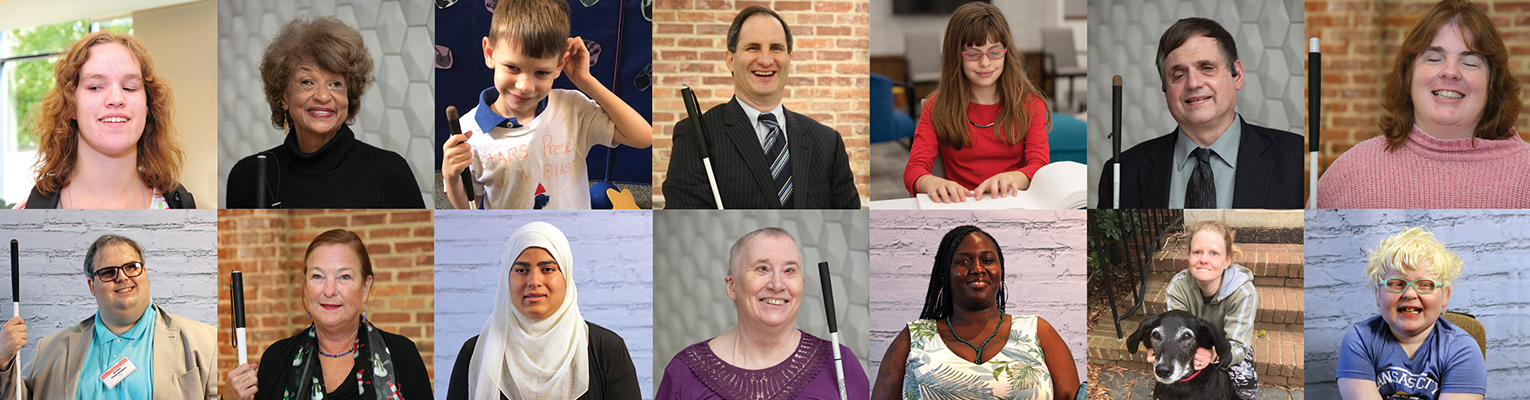
NOTE: This gallery is under development, and the stories shared here are representative examples of the types of stories and objects that may be featured.
Ways to Give
Support the Museum of the Blind People’s Movement.
For more information about the museum or ways to give, reach out to [email protected] or call 410-659-9314, extension 2425.
Gallery Navigation
Return to the Homepage