Posts In: Advocacy

Project BOLD: Fostering Inclusion Through Immersion and Observation

Project BOLD is an initiative from our Texas affiliate, which received a 2023 Dr. Jacob Bolotin Award.

Fostering Inclusion: Learning From Your Students

Emily Coleman participated in our Teachers of Tomorrow program. She was a member of the 2011-2012 cohort, and is now the principal of the Texas School for the Blind and Visually Impaired (TSBVI).

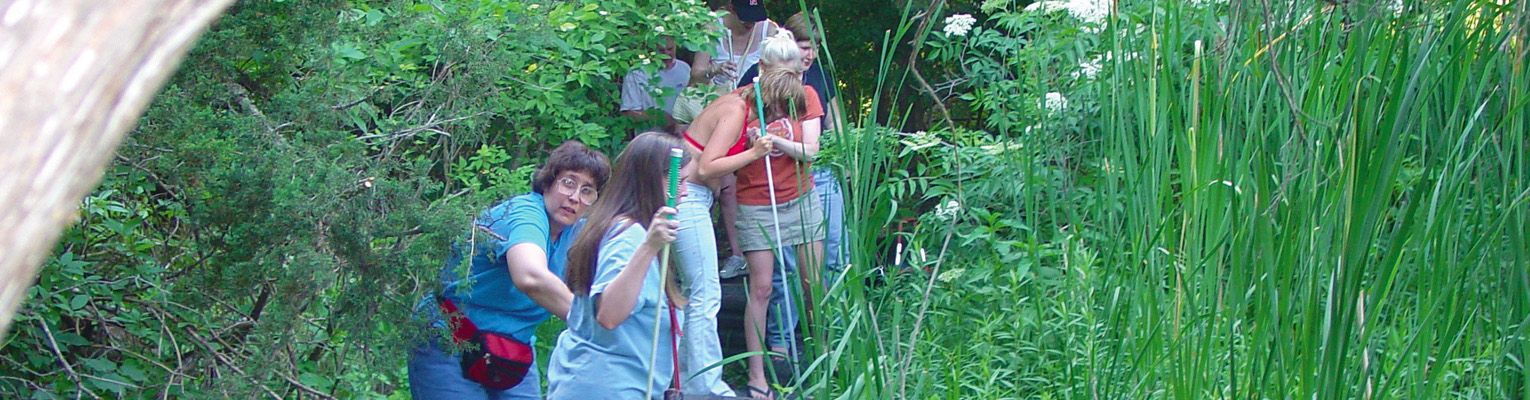
Dream Big: Blind People Can Be Scientists Too

By Cricket Bidleman What does it mean to dream big?

Perspective from the President: Training Centers, Washington Seminar, and More

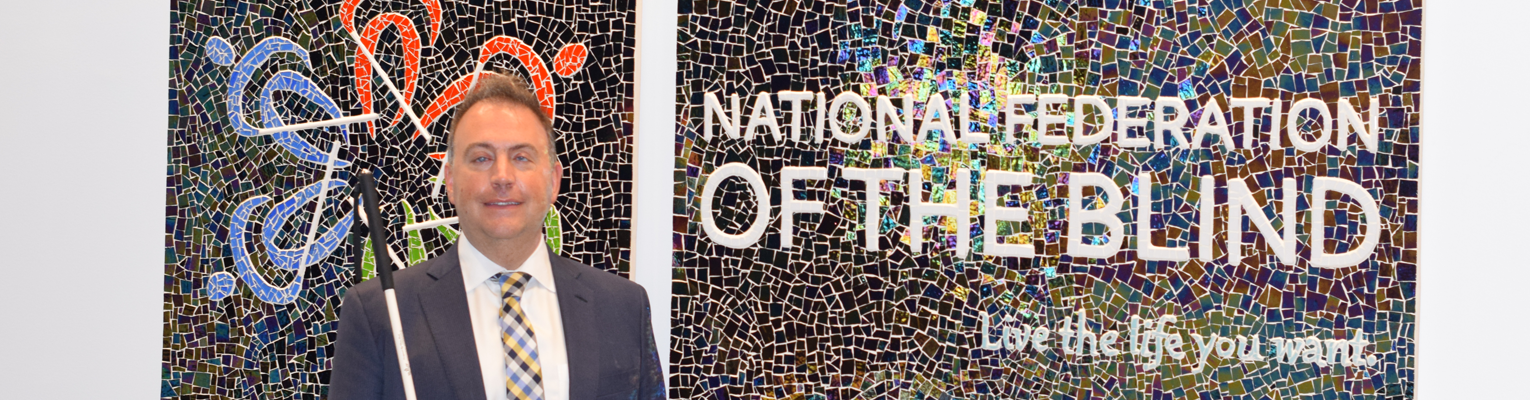
By Mark Riccobono Greetings, Fellow Federationists, January 4 was World Braille Day, which commemorates the birth of Louis Braille in 1809. This was a special World Braille Day because he invented his code when he was fifteen. The 215th anniversary of his birth is a special year for promoting and celebrating Braille.

Washington Seminar: Advocacy in Action

By John Pare I attended my first Washington Seminar twenty years ago as part of the National Federation of the Blind of Florida delegation. It was the first time I had stepped foot in one of the House of Representatives or Senate office buildings, and it was the first time I ever had a one-on-one conversation with a member of Congress.

Reflecting on the Power of Collective Action

As the new year approaches, I reflect on the progress that the National Federation of the Blind has made and look forward to our future advancements.

December Perspective from the President: Internships, Washington Seminar, and More

Read for our December 2023 update from President Mark Riccobono about activities and important Federation announcements.

Online Voting for the Blind: Security Should Not Supersede Access

The ability to vote using a secret ballot that can be marked privately and independently has long been a fundamental cornerstone of America’s democratic system. For centuries, blind voters were forced to rely on the help of election judges, trusted friends or relatives, or other human readers to mark their ballots. This deprived them of the right to a truly secret ballot.